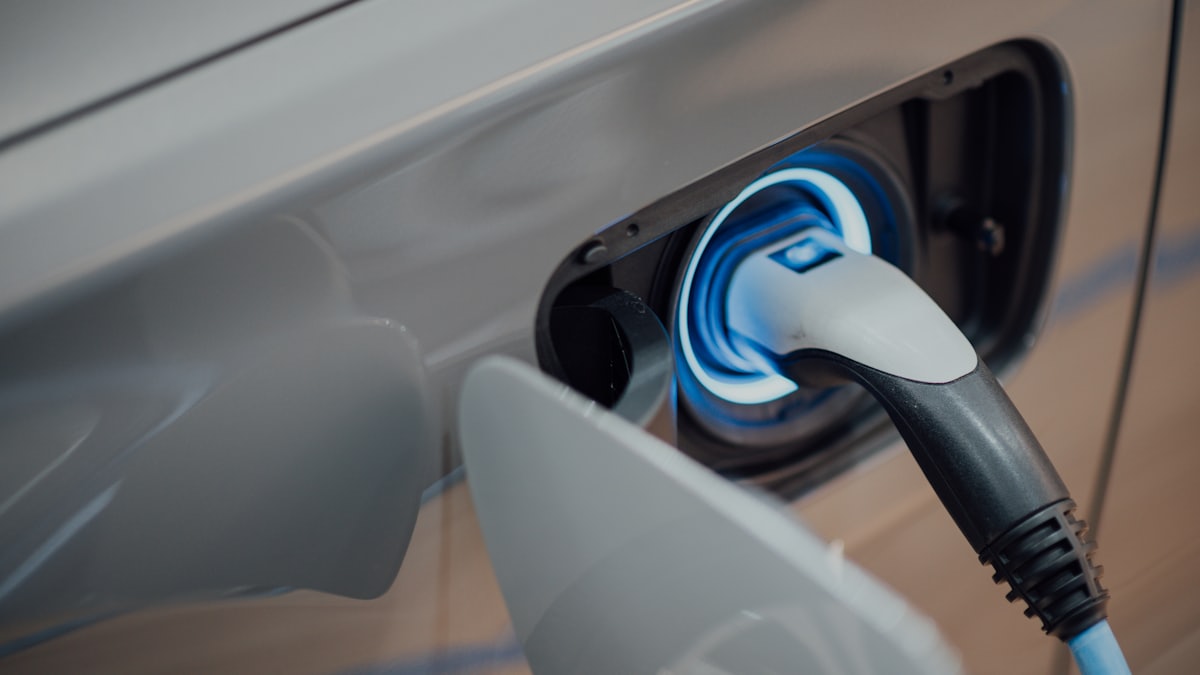
Buying a home chargepoint ought to be simple. It’s a box that puts electricity into a car. Somehow the industry has made it feel like choosing a mortgage. This is everything we talk through at the EV demo bays each weekend, written down: the decisions that matter, what it costs, and where the grant now stands.
7kW vs 22kW: why 7kW is almost always the answer
Home chargers come in two realistic speeds, 7kW and 22kW, and the higher number is a trap for most people. Around 97 percent of UK homes have a single-phase electricity supply, which caps home charging at 7kW. A 22kW charger needs a three-phase supply, and upgrading to one typically runs into thousands of pounds. On top of that, many cars only accept 7 to 11kW on AC anyway, so the extra capacity would sit unused.
Here’s the useful part: a 7kW charger adds roughly 25 to 30 miles of range an hour. Plug in at 7pm and by 7am you’ve added around 300 miles, which is more than most cars’ full range. Overnight, the speed race is already won.
Tethered vs untethered
- Tethered means the cable is permanently attached and coiled on the unit. Walk out, plug in, done. It’s the right answer for most households who keep the same car for a while.
- Untethered (socketed) means a socket you bring your own cable to. It’s usually a touch cheaper, tidier on the wall, and more flexible if you change cars or have guests with different connectors. The trade-off is handling a cable, often a damp one, twice a day in winter.
At the demo bays, people who try both almost always pick tethered. Those twenty seconds of cable-wrangling saved, twice a day, add up to a surprising amount of goodwill towards a lump of plastic.
Smart features, and the one that pays
Every home chargepoint sold today is “smart”, which has been a UK legal requirement since 2022. The feature that actually saves money is scheduled charging against a cheap overnight EV tariff. Those tariffs offer electricity at a fraction of the daytime rate for a window in the small hours, often bringing the cost down to a few pence per mile, well under the equivalent for petrol.
So the real question isn’t “is it smart?” but “is the app any good, and does it work with my tariff?” Some energy suppliers only automate scheduling with certain charger brands, so it pays to check that pairing before you buy. That’s exactly the sort of thing you can’t tell from a spec sheet, and exactly what the demo bays are for.
What it costs, and the 2026 grant
A typical home charger install costs around £800 to £1,200 including the unit and labour, and often £900 to £1,500 in London and the South East. Longer cable runs or a consumer unit upgrade add to that.
| Item | Typical range |
|---|---|
| 7kW chargepoint (unit only) | £450 to £800 |
| Standard installation | £350 to £600 |
| Longer cable runs or board upgrades | £150 to £450 extra |
On grants, the picture has narrowed. As of 2026 the EV Chargepoint Grant covers 75 percent of the cost of buying and installing a charger, up to £500 per socket, but it is aimed at renters and flat owners with off-street parking rather than homeowners with a private driveway. Grant criteria change from year to year, so check the current rules on GOV.UK before you order, and we’ll tell you at the counter whether your situation qualifies.
The installation, where quality really varies
The box is a third of the story. The installation is the rest. A proper install checks your main fuse and consumer unit capacity, runs suitably sized cable, sorts the earthing (most modern units have built-in open-PEN protection, which saves fitting an earth rod), and notifies your local electricity network operator. This isn’t a job for “a mate who’s good with electrics”. It must be done by a qualified electrician, and the paperwork matters for your insurance and for resale.
Buy a chargepoint at Luxwell and we book a vetted, scheme-registered installer before you leave, with a fixed quote based on photos of your fuse board and driveway. A typical install takes two to four hours.
The bits that matter less than the brochures suggest
- Solar integration is genuinely useful if you have solar panels. If you don’t, you’re paying for a feature you may never use, and most brands sell the same unit without it for less.
- Load balancing matters for homes with big electric demands like heat pumps or electric showers. For most others it’s not needed, and your installer’s survey will settle it.
- Ultra-rugged casings sound reassuring, but every unit we stock is IP54 or better and built for British weather. Standard is fine unless the spot takes a real battering.
Try it before your driveway commits
Every Luxwell showroom has a live EV demo bay, with real chargepoints on real walls, cables to handle and apps to poke at. Bring your car if you like, since there’s a bay outside each showroom where you can try a unit on your own charge port. Find your nearest on the contact page.